





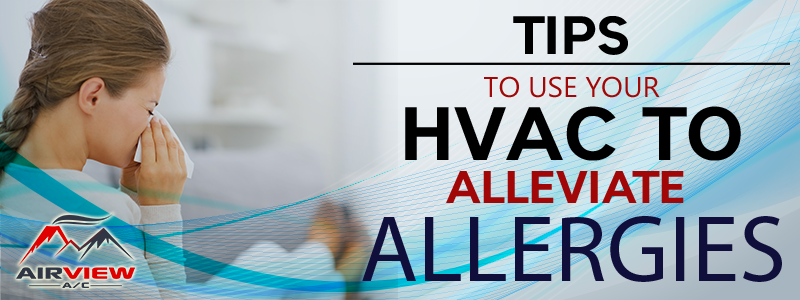
Tips to Use your HVAC Unit to Alleviate Allergies
June 01, 2017
How to Reduce Spring Allergies with Your Air Conditioner
TL;DR - Key Takeaways
- Use high-efficiency HVAC filters (HEPA or MERV 13+) to capture 99.97% of airborne allergens
- Replace filters every 1-3 months during allergy season for optimal air quality
- Clean vents and registers monthly to prevent dust recirculation
- Schedule professional HVAC maintenance twice yearly (spring and fall) to maintain system efficiency
Yes, Your AC Can Significantly Reduce Spring Allergies
Your air conditioning system acts as a powerful air filtration tool during allergy season. When properly maintained with the right filters, your AC removes pollen, dust, and other allergens from indoor air before they trigger symptoms like sneezing, sinus headaches, and congestion.
What Type of HVAC Filter Should I Use for Allergies?
High-efficiency particulate air (HEPA) filters capture 99.97% of particles as small as 0.3 microns, including pollen, pet dander, and mold spores. Alternatively, MERV 13-16 rated filters provide excellent allergen protection without overworking standard AC systems.
Choosing the Right Filter for Your System
Not all AC units can handle HEPA filters without reduced airflow. Consult an HVAC specialist to determine whether your system supports high-efficiency filters or if a MERV 11-13 filter offers the best balance of filtration and performance for your specific unit.
How Often Should I Replace My AC Filter During Allergy Season?
Replace HVAC filters every 30-60 days during spring allergy season. Households with pets, multiple family members, or severe allergies should replace filters monthly. Standard recommendations of 3-month replacement cycles don't provide adequate protection during high-pollen months.
How Do I Clean AC Vents to Reduce Allergens?
Dirty vents recirculate accumulated dust and pollen throughout your home. Clean registers and vents monthly using these steps:
Step-by-Step Vent Cleaning Process
- Turn off your HVAC system to prevent particles from entering the air
- Use a microfiber cloth or damp rag to wipe vent covers gently
- Vacuum register openings with a brush attachment to remove debris
- Avoid knocking particles loose into indoor air during cleaning
Why Schedule Professional HVAC Maintenance for Allergies?
Professional HVAC tune-ups identify and resolve issues that worsen indoor air quality, including dirty coils, clogged condensate drains, and ductwork leaks. Regular maintenance ensures your system operates at peak efficiency while minimizing allergen circulation.
Recommended Maintenance Schedule
Schedule HVAC maintenance twice annually—once in early spring before peak allergy season and once in fall before heating season. This preventive approach keeps your system running efficiently while maintaining optimal air filtration year-round.
Professional Spring HVAC Maintenance in [Your Service Area]
Airview AC provides comprehensive spring HVAC tune-ups designed to improve indoor air quality and reduce allergy symptoms. Our certified technicians inspect filters, clean coils, check airflow, and ensure your system delivers clean, allergen-free air throughout your home.
Call Airview AC today to schedule your spring HVAC maintenance and breathe easier this allergy season.